Showing posts with label book. Show all posts

Tuesday, May 31, 2022

ಕುಡಿಯರ ಕೂಸು - ಶಿವರಾಮ ಕಾರಂತ

ಕುಡಿಯರ ಕೂಸು
ಮಲೆಗಳಲ್ಲಿ ಮನತಣಿಯುವಂತೆ ತಡವುತ್ತ ಓಡಾಡುವ ಅನುಭವ ನೀಡುವ ಪುಸ್ತಕ - ಕುಡಿಯರ ಕೂಸು. ಕಾರಂತರು ಈ ಕಾದಂಬರಿಯಲ್ಲಿ ಸುಬ್ರಹ್ಮಣ್ಯದ ಬಳಿಯ ಹಿರಿಮಲೆ, ಕಿರಿಮಲೆಯ ಕುಡಿಯರ ಜೀವನ ಬಿಂಬಿಸುವ ಕಥೆ ಹೆಣೆದಿದ್ದಾರೆ. ಇದ್ದೊಬ್ಬ ಮಗನನ್ನೂ ಸೊಸೆಯನ್ನೂ ಕಳೆದುಕೊಳ್ಳುವ ಕೆಂಚಜ್ಜ ತನ್ನ ಮೊಮ್ಮಗು ಕರಿಯನನ್ನು ಬೆಳೆಸುವ ಕಥೆಯ ಜಾಡು ಹಿಡಿದು,  ಕರಿಯನ ಜೀವನ ಹೇಗೆ ರೂಪುಗೊಂಡಿತೆಂಬ ಬಗ್ಗೆ ಚಿತ್ರಣ ಕಟ್ಟಿಕೊಡುತ್ತ ಹೋಗುತ್ತಾರೆ ಕಾರಂತರು. 

ಏಲಕ್ಕಿ ಸೊಂಪಾಗಿ ಬೆಳೆಯುವ ಮಲೆಯ ಮೂಲ ನಿವಾಸಿಗಳೂ, ಅಲ್ಲಿನ ಮಲೆಯನ್ನು ಕೊಳ್ಳುವ ಧಣಿಗಳಿಗೆ ವಿಧೇಯರೂ ಆಗಿರುವ ಕುಡಿಯರು ಬಯನಿಯ ದಿಂಡು ತಿನ್ನುತ್ತಲೂ, ಗೆಡ್ಡೆ ಗೆಣಸು ಸೇವಿಸುತ್ತಲೂ, ಹರಿಯುವ ಜೀವನದಿಯ ತೊರೆಯಲ್ಲಿ ಮೀನು-ಏಡಿಗಳನ್ನು ಹಿಡಿದು, ಬೇಟೆಯಾಡಿ  ಜೀವನ ಮಾಡಲು ಬಲ್ಲರು. ಅವರ ಇತರೆ ಅವಶ್ಯಕತೆಗಳಿಗೆ ಮಲೆಯ ಧಣಿಗಳಿಂದ ಬರುವ ಹಚ್ಚಡ, ಉಪ್ಪು, ಚಿಮಣಿ ಎಣ್ಣೆಯೇ ಸಾಕೆನ್ನುವಂಥವರು. 

ಕಲ್ಲೊಂದಕ್ಕೆ ದೈವತ್ವವನ್ನು ಕೊಟ್ಟು ಆದರಿಸುವ ಮುಗ್ಧರು ತಮ್ಮ ಪೂಜಾರಿಯ ಮೈಮೇಲೆ ಬರುವ ಕಲ್ಕುಡ ದೈವಕ್ಕೆ ನೇಮದಿಂದಿರುತ್ತಾರೆ. ಇವರ ಜೀವನದಲ್ಲಿ ಕಲ್ಕುಡನ ಮಹಿಮೆ- ಆತನ ಒಲುಮೆಗಾಗಿ ಇವರೆಲ್ಲರ ನಿಷ್ಠೆ, ಇವೆಲ್ಲ ಕಲ್ಕುಡನು ಕಲ್ಲಿನಲ್ಲೋ, ಮೈದುಂಬುವ ಪೂಜಾರಿಯಲ್ಲೋ ಇಲ್ಲದೆ, ತಂತಮ್ಮ ಮನದ ಒಳಗಣ ತಿಳಿವಾಗಿ ತೋರುವುದು ಸುಸ್ಪಷ್ಟ.

ಮಳೆಗಾಲದಲ್ಲಿ ಕಾಡು ಸವರಿ ಕುಮರಿಯಲ್ಲಿ ಭತ್ತದ ಬೇಸಾಯ ಮಾಡುವ, ಉಳಿದಂತೆ ಹಲವು ಉರುಳುಗಳನ್ನು ಒಡ್ಡಿ ಬೇಟೆಯಾಡುವ ಇವರು ಒಬ್ಬರಿಟ್ಟ ಉರುಳಿಗೆ ಬಿದ್ದ ಪ್ರಾಣಿಯನ್ನು ಇನ್ನೊಬ್ಬರು ಕದಿಯಲು ಕೈ ಹಾಕದ ನಿಯಮದವರು. ಎಲ್ಲ ಮನುಷ್ಯರಂತೆಯೇ ಮಸೆಯುವ ಮಾತ್ಸರ್ಯ, ಅಧಿಕಾರದ ಆಸೆ ಇವರ ಜೀವನದಲ್ಲಿ ತಿರುವುಗಳನ್ನು ತರುತ್ತ ಮನೋರಂಜಕ ಅಧ್ಯಾಯಗಳನ್ನು ತೆರೆಯುತ್ತ ಹೋಗುತ್ತದೆ.

ಈ ಪುಸ್ತಕದಲ್ಲಿ ಮೂಡಿರುವ ನಿಸರ್ಗದ ವರ್ಣನೆ, ಕಾಡಿನ ಉತ್ಪನ್ನಗಳ ವರ್ಣನೆ, ಆನೆಗಳ ನಡವಳಿಕೆ, ಕರಡಿಯ ಬೇಟೆ,  ನರಭಕ್ಷಕವಾಗುವ ಚಿರತೆಯ ಬೇಟೆ, ಇವ್ಯಾವುವೂ ಉದ್ದೇಶಪೂರ್ವಕವಾಗಿ ತೋರದೆ, ಕಥೆಗೆ ಪೂರಕವಾಗಿ ಎಂದು ಮಾತ್ರ ಕಾಣುವುದೇ ಈ ಕಥೆಯ ಅಂದವನ್ನು ಇನ್ನೂ ಹೆಚ್ಚಿಸಿವೆ. 

ಇಲ್ಲಿ ಮೂಡಿ ಬಂದಿರುವ ಕುಡಿಯರ ಸರಳ ಜೀವನ, ಕನಿಷ್ಠ ಅವಶ್ಯಕತೆಗಳ ಬಗ್ಗೆ ಓದುವ ಈಗಿನ ಪೀಳಿಗೆಗೆ ಆಗಿನ ಸರಳತೆಯೇ, ಅವರ ಸ್ವಾವಲಂಬಿ ಜೀವನವೇ ಒಂದು ಕೌತುಕವಾಗಿ ಕಂಡು ಪುಸ್ತಕ ನಿರರ್ಗಳವಾಗಿ ಓದಿಸಿಕೊಂಡು ಹೋಗುವುದರಲ್ಲಿ ಸಂದೇಹವಿಲ್ಲ. 

Sunday, March 29, 2020

ಪುಸ್ತಕ ವಿಚಾರ- ಅಂಚು: ಎಸ್ ಎಲ್ ಭೈರಪ್ಪ

ಜೀವನದ ಮೇಲಿನ ಆಸ್ಥೆ-ಸಾವಿನ ಬಗೆಗಿನ ಆಕರ್ಷಣೆಯ ಅಂಚಿನಲ್ಲಿ ನಡೆಯುತ್ತ, ಇತ್ತ ಮುಗಿಸದೆ, ಅತ್ತಲೂ ನಿಲ್ಲದೆ ಹೆಣಗುವ, ಕಥಾವಸ್ತು - ಅಂಚು. ಇದರ ಕಥಾ ಹಂದರವನ್ನು ಮೊದಲು ತಿಳಿಸಿದರೆ, ಮುಂದೆ ಹೇಳುವ ಅಂಶಗಳಿಗೆ ಅದೇ ಬೆನ್ನೆಲುಬಾಗುತ್ತದೆಂದೆನಿಸುತ್ತದೆ. 

ಡಾಕ್ಟರ್ ಅಮೃತಾ ಪಿ.ಎಚ್.ಡಿ ಪದವೀಧರೆ, ಉಪನ್ಯಾಸಕಿ. ತಂದೆ - ತಾಯಿ ಇಲ್ಲದ ಈಕೆ ತನ್ನ ಆಸ್ತಿವಿಚಾರದಲ್ಲಿ ಸ್ವಂತ ಚಿಕ್ಕಮ್ಮನಿಂದಲೇ ಚಿಕ್ಕಂದಿನಿಂದಲೂ ನಯವಂಚನೆಗೊಳಗಾಗಿ, ಆಕೆಯ ತಮ್ಮನನ್ನೇ ಮದುವೆಯಾಗಿ, ತಾನು ಮೋಸಕ್ಕೊಳಗಾದದ್ದು ಬೋಧೆಯಾದಾಗಿಂದ ಗಂಡನಿಂದ ದೂರವಿರುವ ಎರಡು ಮಕ್ಕಳ ತಾಯಿ. ಆಗಾಗ ತನ್ನ ಅಸ್ತಿತ್ವದ ಬಗ್ಗೆ ಕಾಡುವ ಶೂನ್ಯಭಾವ ಸದಾ ಆಕೆಯನ್ನು ಸಾವಿನೆಡೆಗೆ ಆಕರ್ಷಿಸುತ್ತಿರುತ್ತದೆ. ಈ ಮಧ್ಯೆ ಸೋಮಶೇಖರನೆಂಬ ಆರ್ಕಿಟೆಕ್ಟ್ ನೊಂದಿಗಿನ ಪರಿಚಯ ಸ್ನೇಹಕ್ಕೆ ತಿರುಗಿ, ಪ್ರೀತಿಯಾಗಿ ಬಲಿತು ಗೋಜಲಾಗುವ ಕಥೆ. 

ಪುಸ್ತಕದ ಹಲವಾರು ಭಾಗಗಳಲ್ಲಿ ಕಥೆಯೇ ಮಾಸುವಷ್ಟು ಸಂಭಾಷಣೆ- ತಗಾದೆ- ಭಾವನೆಗಳ ವಿಸ್ತಾರ ಇರುವುದರಿಂದ ಒಡನೆಯೇ ಈ ಕಥೆಯ ವಿಸ್ತಾರ ಅರಿವಾಗುವುದು ಸುಲಭಸಾಧ್ಯವಲ್ಲ. ಈ ಕಾರಣಕ್ಕಾಗಿಯೇ ಎಸ್ ಎಲ್ ಭೈರಪ್ಪನವರ ಇತರೆ ಹಲವು ಕಾದಂಬರಿಗಳನ್ನೋದಿದವರೂ ಅಂಚುವನ್ನು ತಡವಾಗಿ ಓದಿರುತ್ತಾರೆ - ಅಥವಾ ಮಧ್ಯದಲ್ಲೇ ನಿಲ್ಲಿಸಿರಲಿಕ್ಕೂ ಸಾಕು; ನನ್ನ ಹಾಗೆ. 

ಏಳು ವರ್ಷಗಳ ಹಿಂದೆ ಓದಲು ತಂದಿಟ್ಟುಕೊಂಡೂ, ಓದದೇ ಅರ್ಧದಲ್ಲೇ ಕೈಬಿಟ್ಟಿದ್ದ ಪುಸ್ತಕ - ಎಸ್ ಎಲ್ ಭೈರಪ್ಪನವರ "ಅಂಚು". ಸಂಕಲ್ಪವಿದ್ದರೂ ಸಂಕಲ್ಪವನ್ನು ಹಸಿರಾಗಿಟ್ಟು ಪುಸ್ತಕದ ಉದ್ದಗಲವನ್ನೂ ಓದುವ, ಓದಿದ್ದನ್ನು ವಿಶ್ಲೇಷಿಸಿ ಅರಗಿಸಿಕೊಳ್ಳುವ ಭಾವ ಬಹುಶಃ ಬಲಿತಿರದ ದಿನಗಳವು. ಬಸುರಿನಲ್ಲಿ ಹಿಡಿದ ಈ ಪುಸ್ತಕದ ಅಭಿವ್ಯಕ್ತಿಯ ಧ್ವನಿ, ಸನ್ನಿವೇಶಗಳ ಪೋಣಿಸುವಿಕೆ ನನ್ನ ತಾಯ್ತನದ ಹೊಸ್ತಿಲಿನ ದಿನಗಳಲ್ಲಿ ಅತಿ ಭಾವುಕತೆಯನ್ನು ತಂದು ಪಾತ್ರಗಳ ನೋವಿನೊಡನೆ  ಸಮೀಕರಿಸಿಕೊಳ್ಳುವ ಮನಸ್ಥಿತಿಯೊಡೆದು ಪಕ್ಕಕ್ಕಿಟ್ಟಿದ್ದೆ; ದೂರವಿಟ್ಟು ಮರೆತಿದ್ದೆ. ವರ್ಷಗಳ ನಂತರ, ಇದೇ ಲೇಖಕರ "ಯಾನ" ಸಂವಾದವನ್ನು ಶತಾವಧಾನಿ ಗಣೇಶರು ನಡೆಸಿಕೊಡುವಾಗ ಪ್ರಶ್ನೋತ್ತರ ಸಮಯದಲ್ಲಿ ಶ್ರೋತೃಗಳೊಬ್ಬರು "ಅಂಚು"ವಿನಲ್ಲಿ ನಾಯಕಿ ಆತ್ಮಹತ್ಯೆಯ ಪ್ರಯತ್ನವನ್ನು ಇಡೀ ಪುಸ್ತಕದಲ್ಲಿ ಇಪ್ಪತ್ತೊಂದೋ ಇಪ್ಪತ್ಮೂರೋ ಸಲ ಮಾಡಿಕೊಳ್ಳುತ್ತಾಳೆ ಅನ್ನುವ ಅಂಶ ಚರ್ಚೆಗೆ ಬಂದಾಗ ಗಣೇಶರು ಹೇಳಿದ್ದ ಉತ್ತರದ ಭಾಗವೊಂದು ನಿಜಕ್ಕೂ ಚಕಿತಗೊಳಿಸಿತ್ತು - ಅಂಚು ಕಾದಂಬರಿ ಮದುವೆಯನ್ನೊಳಗೊಂಡ ನಂಬಿಕೆಯನ್ನು ಕಳೆಯುವಂಥದಲ್ಲ, ಮದುವೆಯಾಗಲು ಪ್ರೇರೇಪಿಸುವಂಥದ್ದು, ಮದುವೆಯ ತಳಹದಿಯಲ್ಲಿ ನಂಬಿಕೆಯನ್ನು ಗಟ್ಟಿಮಾಡುವಂಥದ್ದು ಅಂದದ್ದು ಮನಸ್ಸಿನಲ್ಲಿ ಉಳಿದಿತ್ತು. 

ಕೊರೋನಾ ಮಹಾಮಾರಿಯ ದೆಸೆಯಿಂದ ದೇಶಕ್ಕೆಲ್ಲಾ lockdown ಸೂಚನೆ ಹೊರಟ ನಂತರ ಬಿಡುವಿನ ಸಮಯದಲ್ಲಿ ಓದಲು ಆರಿಸಿಕೊಂಡದ್ದು - "ಅಂಚು" ಕಾದಂಬರಿಯನ್ನು. 

ಅಂಚುವಿನ ಅಮೃತಾ ಉತ್ತಮ ಅಧ್ಯಾಪಕಿ- ಅಪನಂಬಿಕೆಯ ನಂಜುಂಡರೂ ಆಕೆಯ ಚಿಕ್ಕಮ್ಮ ಮತ್ತು ಮನೆಯವರಿಗೆ ಮನದೆಲೆಲ್ಲೋ ಕಿತ್ತೊಗೆಯಲಾಗದ ಅಸಹಾಯಕ ಆರ್ದ್ರತೆ. ಇನ್ನು ತನ್ನೆರಡು ಮಕ್ಕಳಿಗೆ ಒಳ್ಳೆಯ ತಾಯಿಯಾದರೂ, ತಾನು ಸೆಳೆಯಲ್ಪಟ್ಟಿರುವ ಸೋಮಶೇಖರನೊಂದಿಗೆ ಮಾತ್ರ ಅದ್ವಿತೀಯ ಲಹರಿಯವಳು. ಒಮ್ಮೊಮ್ಮೆ ನಿರಾತಂಕ ಪ್ರೀತಿ, ಹಿಂದೇ ಸುತ್ತಿ ಕವುಚಿಬರುವ ಮೌನ- ಶೂನ್ಯತೆ! ಶೂನ್ಯತೆಯ ಪರಮಾವಧಿ ಅಕಾರಣ ಸಿಟ್ಟಿನತ್ತ ಹಲವೊಮ್ಮೆ ಎಳೆದೊಯ್ದರೆ, ಕೆಲವೊಮ್ಮೆ ಮುಗಿಸಿಕೊಂಡುಬಿಡಬೇಕೆನ್ನುವ ಆತ್ಮಹತ್ಯಾ ತುಡಿತ, ಇನ್ನು ಕೆಲವೊಮ್ಮೆ ಪ್ರೀತಿಸಿದವನ ಮೇಲೆ ಕ್ರೌರ್ಯಕ್ಕೂ ತಿರುಗುವ ಮೌಢ್ಯ! ಈ ಭಾವನೆಗಳ ಅಲಗು ಮೊನೆಗಳ ಮೇಲಿನ ಹೊಯ್ದಾಟದಲ್ಲೇ ಕಥೆ ಸಾಗುತ್ತದೆ.  

ಕಥಾನಾಯಕಿ ಅಮೃತಾಳಂತಹಾ ಪಾತ್ರವನ್ನು ನಾವು ನಿಜಜೀವನದಲ್ಲೂ ನೋಡಿರಬಹುದು; ಕೆಲವರು ಇಡೀ ಜಗತ್ತಿಗಿದ್ದಷ್ಟು ಉದಾರವಾಗಿ, ತಮ್ಮವರೊಡನೆ, ತಮಗೆ ಕಷ್ಟ-ಸುಖಗಳಲ್ಲಿ ಸಮಪಾಲು ಇರುವವರೊಡನೆ ಭಾವ ಕಳೆದವರಂತಿರುತ್ತಾರೆ. ಹೊರಗಿನವರೆನಿಸಿಕೊಂಡ ಬೇರೆಲ್ಲರೊಂದಿಗೂ ನಗುನಗುತ್ತ ಬೆರೆತಂತಿದ್ದು ತಮ್ಮ ಮೇಲೆ ಭಾವುಕವಾಗಿ ಅವಲಂಬಿತರಾದವರ ಮೇಲೆ ಕೊಂಕುಗೆದರಿಸುತ್ತ ತಪ್ಪಿತಸ್ಥ ಭಾವ ಮೂಡಿಸುತ್ತಲೋ, ಆಪಾದನೆ ಹೊರಿಸುತ್ತಲೋ ಇದ್ದುಬಿಡುತ್ತಾರೆ. ಅವರ ಅಭಿವ್ಯಕ್ತಿ ತಮ್ಮವರೆನಿಸಿಕೊಂಡವರ ಮೇಲಾಗಲಿ, ಕಾರಣ ಏನೇ ಇರಲಿ, ಕ್ರೌರ್ಯ, ಆತ್ಮಾವಹೇಳನ, ಕೊಂಕಿನ ಮೂಲ- ಇವೆಲ್ಲ ನಿಲುಕಿಗೂ ಸಿಕ್ಕದ ಅಂತರದಲ್ಲೆಲ್ಲೋ ಹೂತುಹೋಗಿರುತ್ತದೆ. ಆಳದಲ್ಲೆಲ್ಲೋ ಆದ ವ್ರಣ ಮೇಲುಮೇಲಿನ ಸಿಡುಕು - ದ್ವಂಧ್ವಗಳಲ್ಲಿ ಕಾಣಿಸಿಕೊಳ್ಳುತ್ತಿರುತ್ತದೆ. 

ತೀವ್ರ ಭಾವಸ್ಪಂದನ, ಅದರಿಂದುಂಟಾಗುವ ದಣಿವು - ಸೋಮಶೇಖರನಿಗೆ ಹಿಂಸೆಯೆನಿಸಿದಷ್ಟೂ, ಬಿಡಿಸಿಕೊಳ್ಳಬೇಕೆನಿಸಿದಷ್ಟೂ ತೊರೆಯಲಾರದ ಅಂಟಾಗಿ, ಬಂಧವಾಗಿ, ಆಕರ್ಷಣೆಯಾಗಿ, ಕಡೆಗೆ ವೃತ್ತಿಗಿಂತಲೂ ಮುಖ್ಯವಾಗಿ ವೃತ್ತಿಯಲ್ಲಿ ಸೋಲುತ್ತ ಬಂದು, ಅಮೃತಾಳನ್ನು ಕಳೆದುಕೊಳ್ಳುವ ಸಂಕಲ್ಪವೇ ಭಯತರಿಸಿ, ಈ ಬಂಧವನ್ನು ನಿಭಾಯಿಸಿಯೇ ತೀರುವೆನೆಂಬ ಸ್ಪೂರ್ತಿಯಾಗಿ ಮಜಲು ಮಜಲಾಗಿ ಬಿಡಿಸಿಕೊಳ್ಳುವುದು ಕಾಣುತ್ತದೆ.

ಇಲ್ಲಿ ಸೋಮಶೇಖರನಂಥಾ ತಾಳ್ಮೆಯುಳ್ಳವರ ಪ್ರೀತಿ-ಕಾಳಜಿಯ ಇಂಧನ ಯಾವುದು? ಪ್ರೀತಿಸಿದವರನ್ನು ಪಡೆದೇ ತೀರಬೇಕೆಂಬ ಹಂಬಲವೋ, ಪ್ರೀತಿಸಿದವರು ಸಂತೋಷವಾಗಿಯೇ ಬದುಕಬೇಕೆಂಬ ಛಲವೋ? ಕೋಮಲ ಹೃದಯಿಯಾದ ಅಮೃತಾಳ ನಾಡಿಹಿಡಿಯಲಾರದ, ಭಾರ ಬಲಿಯದೆಯೂ ಇಕ್ಕೆಲಗಳಿಗೆ ಯಾವ ಮುನ್ಸೂಚನೆಯೂ ಇಲ್ಲದೆ ತೂಗಾಡುವ ತಕ್ಕಡಿಯಂಥಾ ಸ್ವಭಾವಕ್ಕಿರುವ ತಲ್ಲಣದಲ್ಲಿ- ಪ್ರಸ್ತುತದ ಕ್ಷುಲ್ಲಕ ಕಾರಣಗಳು ಸತ್ಯವೋ, ಅಥವಾ ಜೀವನದಲ್ಲಿ ಹಿಂದೆಲ್ಲೋ ಮನಸ್ಸಿಗೆ ಬಿದ್ದ ಪೆಟ್ಟು ತಾಳಲಾರದ ಏಟುಗಳೋ? ಇವೆಲ್ಲ ಪದರಗಳೊಳಗೂ ಜೀಕುತ್ತ ಸಾಗುವುದು - "ಅಂಚು". 

ಶತಾವಧಾನಿ ಗಣೇಶರು ಹೇಳಿದಂತೆ, ವಿವರಣೆಗಳಿಗೆ ಮಾತ್ರ ಪಕ್ಕಾಗದೆ ಪ್ರೀತಿ, ಸಂಬಂಧ, ವಿವಾಹದ ಮೂಲಧನಕ್ಕೊಂದು ಧಾತು - "ಅಂಚು". 

Tuesday, July 30, 2019

Vanara: Anand Neelakantan

Let me tell you a bit about the backdrop of this story that it is woven upon.

Valmiki Ramayana tells the tale of how Sugreeva and his Vanara sena helped Rama fight Ravana and rescue Sita. This Sugreeva was an outcast of his brother Vaali or Baali's Kishkinda. He was evicted from the Kingdom of Kishkinda by his own brother who was very dear to him. This is since Sugreeva had married Tara and was ruling Kishkinda since he believed his brother was dead in battle with Mayavi. But the moment Baali comes back winning over the demon, he charges his brother with treachery and evicts him from Kishkinda. Sugreeva waits in vain being an outcast until he meets Rama. Then Sugreeva invites Baali for a duel and Rama killed Baali by standing behind a nearby tree. Sugreeva is crowned again and after him, Angada, son of Tara and Baali is made the Prince of Kishkinda.

Now this act of Rama is justified in various texts in different ways, backing him up that this was done to save Dharma ultimately. This event always leaves a hollow in the epic of Ramayana nevertheless. This novel Vaanara is an attempt at weaving the sequence of events.

Anand Neelakantan has a finesse story telling that captivates the reader. I must mention how he weaves in chapter after chapter. Every chapter ends as a prelude to the next chapter which keeps the reader on toes until the story is completed. One simply cannot put this book down and be at peace until the reading is done. 

Dilemma of Tara about the two brothers, though she heartily loves one and tries to despise the other, her thoughts are stuck not knowing which way to waiver. Baali is so lost in building an empire that though he loves Tara with all his heart, he is unable to spend enough time with her. Meanwhile encashing all this, Sugreeva lusts for his sister-in-law, unknowing of the consequences that it might pose; once Tara is married to Sugreeva as Baali does not return from fighting Mayavi and is thought to be dead, Sugreeva sees that the appeal of having Tara as his is vanished completely, and a constant hindrance towards the relationship sets in. 

Though Tara marries two brothers, she is still considered the virtuous wife and is given a worshipful place till today. Giving the benefit of doubt to the tale that she is considered a pious and virtuous wife, author gives it a justified ending that Tara after Angada and Sugreeva return victorious post battle with Ravana, stays in the sacred grove of seven palmyra trees that Baali had envisioned and nurtured; thinking every moment of Baali, she lives as a telltale to the whole of Kishkinda until her last breath, serving the city-dwellers with her wise deeds and words.

The loyalty of the abandoned wolf pup 'Chemba' raised by Baali is a part of the story that touches the most. The wolf's tried and true love towards its master is depicted well in parts of story where it stays near the cave till its master returns victorious from his struggle with the demon and its unfailing attempts at digging his grave though its claws are all worn out from the futile effort. Chemba still believes that somehow he can bring his master back from the dead if it digs enough to reach his body even after death of Baali.

The sublime character of Baali and Sugreeva's foster father Riksharajas, the valour of Ravana depicted in even his defeat against Baali in duel, the motherly turned pompous Ruma - the wife of Sugreeva, the demonity that is illustrated in weaving sequence about the humongous bull Dundubhi that is brought by Sugreeva, the plight of the outcast - Vana naras - called later as Vanaras, the love and understanding of the two brothers - Baali and Sugreeva and the intervention to their fraternal bonding with entry of Tara in their life, the only amazing city that they build deep in the woods with all amenities and aiming at no caste- colour discrimination is all that is part of reading hangover. 

Definitely a thumbs up for even those who despise heavy reading.

Saturday, July 29, 2017

Sita: Warrior of Mithila - Amish Tripathi : A Review

Sita: Warrior of Mithila has come out after a long wait of almost 2 years through which I personally have forgot a lot of Scion of Ikshvaku I had read. This book here reminds a lot of scenes from the earlier book and at some point feels like this would have been a chapter in Scion of Ikshvaku instead of being an independent book.

But the upbringing of Sita, her childhood, an insight into her character are definitely a welcome. I have many times wondered how Sita could survive in Dandakaranya for 14 years when in exile, bearing the hard way of forest dwelling if she was raised just like a delicate princess just to be married and live like a queen. Either she should have had an arduous training during her childhood which helped her to endure the exile, or her conviction to walk with her husband in all walks of life must be unshakable. And Sita being trained like a warrior also could be a possibility, which we do not get much to perceive much from the epic of Valmiki Ramayana.

But I somehow feel that Amish is great in explaining what happens with nature, forest, and animals more than what is happening to characters of his novel. His novels are gripping when he explains these in detail.

Like Scion of Ikshvaku, there is woven story about Sita’s Mithila too, and the way that small city is ruled by Sita’s Mother more than Janak, and the larger politics that happen in Sapt Sindhu makes us keep reading the book.

May be I liked Amish’s Shiva Trilogy since it was completely different from the Shiva Purana though difficult to digest Ganesh and Durga as Nagas. But this series seems to be totally just meant to satiate the whim of the author that is nowhere connected to Ramayana except names and places. He also addresses Sapt SIndhu as India a few times, which was non-existent in the Ramayana timeline.

But the reader will enjoy the book thoroughly if read as just another work of Amish. The city security features, war scenes, each bit in forest is a good read in the novel. Rest said, I am not liking this Ram Chandra Series a lot and I might rethink before picking his next book which he says that the same story will be from the perspective of Ravan. My question is, when the context of literary intricacy is not much, the author could elaborate only the non-repeating parts of the story, instead of rather putting the same parts of the story in another person’s perspective, unless their experience of the same situation is vastly different from what has already been told!

Tuesday, May 23, 2017

Fault In Our Stars: John Green

Hazel Grace is diagnosed with thyroid cancer who is alive because of continuous experimentation with cancer treatments and is relatively stable due to a new drug. She is mostly home-bound due to her disease. Hazel meets Augustus Waters and Isaac in cancer support group when she almost has given up on her chance of making new friends, and the trio develop a strong bond. Augustus falls in love with her as she refrains since she knows her days in life are numbered.

There are parents who like anyone whose kids’ life has an only ultimatum of timed existence are jittery and skittish over everything. The story unfolds between the depths of An Imperial Affliction (AIA) and the Price of dawn, with extreme different topics and width of coverage. Price of dawn is a Sci fi made to a video game where as AIA is a story that tells you about Anna, a little girl ridden with blood cancer who seemingly achieves remission and falls back into final stage of the disease and the story ends abruptly mid-sentence, like the way the afflicted lives end; mid-life & mid-phase without hinting that the good day you spent with them was actually their last good day.

Fault in our stars is a perfect frame story – That it actually tells a story within the story to a point where the quotes and the plot of the story within the story (An Imperial Affliction - AIA) becomes so surreal, that the reader might as well think that the “Fault in our stars” was constructed because of AIA. The nested story within seems to have a full-on grip on the lives of Hazel Grace and Augustus Waters in “Fault in our stars” since they both adore the book. Many quotes from the book are brought to life in Hazel & Gus’s conversations. Though the technique of nestled stories is not new, the prowess to the way of telling a story and using the frame story at substantiating every turn in the story is captivating.

You will find the book light-hearted at times and will compel you to feel it to the point of affecting the reader with the characters. Quotes from the novel are worth spending time to think upon. You will find the book heavy in that ways, and not just as an easy to read novel. Death is a steadfast end of life; but the series of events that lead to it is quite a stressful journey for those who know what will kill them; and for the people who take care of them, it is even more challenging.

I quite keep questioning myself, why people take care of their beloved ones during their illness, without letting them go, without letting them struggle all on their own, or just leave them to their fate. The answer is in this book. How the relationships are bonded and why they are the way they are, is very well tried and explained in it. I’m yet to watch the movie that made “Fault in our stars” come to life, but am sure everything that is felt in the book is far more vivid than the movie has to show to me. Peter Van Houten, the imaginary author of the imaginary book “An Imperial Affliction” is a character built to stay, to weigh Hazel and Gus, several notches higher is all I can say!

Wednesday, April 5, 2017

ಪೂರ್ಣಚಂದ್ರ ತೇಜಸ್ವಿ

ನಮ್ಮ ತೇಜಸ್ವಿ
ಬೆಳಗು ನಗುನಗುತ್ತಾ ಇದ್ದು ಇಳಿ ಮಧ್ಯಾಹ್ನದ ಹೊತ್ತಿಗೆ ರಪ್ಪಂತ ಕಂತೆ ಒಗಾಸಿ ಎದ್ದು ಹೋದ ಪೂರ್ಣಚಂದ್ರ ತೇಜಸ್ವಿಯವರ ನಗುಮೊಗವೇ ೧೦ ವರ್ಷವಾದ ಮೇಲೂ ಈ ದಿನ ಕಣ್ಣೀರು ತರಿಸುತ್ತೆ ಅಂದ್ರೆ ತೇಜಸ್ವಿಯವರು ಅದೆಂಥಾ ಮೋಡಿ ಮಾಡಿದೋರು ಅಂತ ಆಶ್ಚರ್ಯವಾಗುತ್ತೆ. ಪ್ರತಿಯೊಂದು ಪುಸ್ತಕವೂ ಮಾಹಿತಿಯೊಂದಿಗೆ ಬೆಸೆದ ನಂಟು - ಪ್ರೀತಿ, ಹಾಗು ಸುಮಾರು ಪುಸ್ತಕಗಳಲ್ಲಿ ತಾವೂ ಒಬ್ಬ ಪಾತ್ರವಾಗಿ ಬಂದಿರುವುದರಿಂದಲೋ, ಅಥವಾ ಮನಮುಟ್ಟುವ ಪರಿಸರದ ಕತೆಗಳನ್ನ ಹೇಳುತ್ತಾ ಅಲ್ಲಿನ ಗಿಡ ಮರ ಪಕ್ಷಿ ಪ್ರಾಣಿಗಳಿಗೆಲ್ಲಾ ವ್ಯಕ್ತಿತ್ವವೊಂದನ್ನ ಕೊಟ್ಟು ನವಿರಾಗಿ ಸಂದರ್ಭಗಳನ್ನು ಹೆಣೆಯುತ್ತಾ ಪ್ರತಿ ಪುಟದಲ್ಲೂ ನಕ್ಕು ನಗಿಸುತ್ತಿದ್ದ, ತಲ್ಲೀನಗೊಳಿಸುತ್ತಿದ್ದ ತೇಜಸ್ವಿಯ ಬರವಣಿಗೆ ಯಾವ ಓದುಗ ಮರೆತಾನು?

ಗುಂತಕಲ್ಲಿನ ಕಾಡುಗಳಲ್ಲಿನ ನರಭಕ್ಷಕ ಹುಲಿಗೆ ಈಗಲೂ ಕೆನೆತ್ ಆಂಡರ್ಸನ್ ಮಣ್ಣು ಕೊರೆದು, ಕಲ್ಲುಗಳನ್ನು ಸುತ್ತಲೂ ಹುಲಿಗೆ ಅನುಮಾನ ಬರದಂತೆ ದೂರದಿಂದ ತಂದು ಹರಡಿ ಕಾದು ಕುಳಿತಾಗ ಅವರ ಹಿಂದಿನ ಕಾಡಿನಿಂದ ಕೇಳಿಸಿದ ಗರ್ಜನೆ ಹತ್ತಿರವಾಗುತ್ತಾ ಹೋದಂತೆ ಉಗುರು ಕಚ್ಚುತ್ತ ಓದುತ್ತಿದ್ದ ಜ್ಞಾಪಕ. ಪಕ್ಷಿಯೊಂದು ಇವರೊಡನೆ ಮಾಡಿದ ಗೆಳೆತನದ ಕಾರಣವಾಗಿ ಕೊನೆಯುಸಿರೆಳೆದಾಗ ಕಣ್ಣೀರಾದ ನೆನಪು. ಚಂದ್ರನ ಮೇಲಿಳಿದ ಮಾನವನ ಕಥೆ ಹೇಳುವಾಗಲೋ, ಮಿಸ್ಸಿಂಗ್ ಲಿಂಕ್ ಗಾಗಿ ಹುಡುಕಾಟ ನಡೆಸುವಾಗ ಬೆರಗುಗೊಂಡು ಪುಸ್ತಕದಲ್ಲೇ ಇಳಿದು ಪುಸ್ತಕ ಓದಿದ್ದಲ್ಲ - ಪ್ರತಿ ಸಂಗತಿಯನ್ನೂ ನೋಡಿದ ಭಾಸ. ಅದೇ ಜುಗಾರಿ ಕ್ರಾಸ್ ನಲ್ಲಿನ ಹೇಲು ತುಂಬಿದ ಗುಂಡಿಯೊಳಕ್ಕೆ ಮೂಗು ಮುಚ್ಚಿ ಕೂರುವ ಸಂಗತಿ, ಕಿರಗೂರಿನ ಗಯ್ಯಾಳಿಗಳು ಕೆಲಸಕ್ಕೆ ಬಾರದ ಗಂಡಂದಿರನ್ನ ಬಯನೆ ಕಟ್ಟುಗಳಲ್ಲಿ ಭೂತ ಬಿಡಿಸಿದ ಸಂಗತಿ - ಓದಿ ಜೋರಾಗಿ ನಕ್ಕು, ಮನೆಯವರಿಗೆಲ್ಲ ಇವಳೇನು ಓದುತ್ತಿದ್ದಾಳೋ, ಹಾಸ್ಯದ ಕಾರ್ಯಕ್ರಮ ವೀಕ್ಷಿಸುತ್ತಿದ್ದಾಳೋ ಅಂತ ಗೊಂದಲವಾಗಿದ್ದು ನೆನೆದರೆ ಈಗಲೂ ನಗು.

ಅವರ ಸುಲಭ ಬರವಣಿಗೆ ಹಾಗು ತುಂಬಾ relate ಆಗಿಸುವ ಶೈಲಿಯ ಪುಸ್ತಕಗಳಿಂದ ಎಷ್ಟೋ ಹೊಸ ಓದುಗರನ್ನು ಕನ್ನಡಕ್ಕೆ ತರುತ್ತಲೇ ಇರುವವರು ತೇಜಸ್ವಿ. ಹೆಚ್ಚೇನೂ ಹೇಳುವುದು ಇಲ್ಲ. ಯಾಕೆಂದರೆ, ಇನ್ನು ಮುಂದೂ ಓದಿಸಲಿಕ್ಕೆ ತೇಜಸ್ವಿಯವರೇ ಇಲ್ಲ. ಅವರೆಲ್ಲ ಪುಸ್ತಕಗಳನ್ನೂ ಬಿಡುವಾದಾಗ ಮತ್ತೆ ಮತ್ತೆ ಓದಿ ಖುಷಿ ಪಡೋಣ. ಈ ರೀತಿ ತೇಜಸ್ವಿಯವರು ಸದಾ ನಮ್ಮೊಂದಿಗೇ ಉಳಿಯೋದರಲ್ಲಿ ಸಂಶಯವೇ ಇಲ್ಲ.

Wednesday, January 11, 2017

Ajaya- Duryodhana's Mahabharata- By Anand Neelakantan


Mahabharata is a poetically narrated story (rather, history) of war that had happened around 6000 years ago. A story of a plethora of events leading to the war unfolds in every chapter of the epic. While Jaya is the story that tells you the winner's side of the story, Ajaya -Roll of dice and The rise of Kali - series is one of the logical most explanations of the Mahabharata war in the voice of the conquered. I had only heard of Kananda author and poet, Ranna, who had written a version of Mahabharata which is narrated as Suryodhana's story (Gadhaayuddha).

I have got to know the story of Mahabharata by bits and parts since I was in the age I could understand 10 liner stories. The beauty of the humongous epic lies in its ability to decipher itself in smaller stories. We can be told 100's of short stories which can finally be comprehended as the Jaya-Mahabharata. The more we study and research about the topic, the complex this book of epic becomes. With thousands of characters into it, Tretayuga's Mahabharata really has in it a lot to tell us, a lot to teach us, apart from the sacred text of Geeta.

In this war of Dharma, did the war really happen for the sake of Dharma or were the turn of events later termed to be the path to achieve and restore Dharma, owing to the fact that Pandavas won over Kauravas? Story can be told either ways; understood either ways. We all know Krishna to be the eternal God who's mortal life came to an end like a commoner owing to Gandhari's curse. What might have been the other side of the story?? Could the eldest of the Kaurava clan, Suyodhana been a good ruler after all? What if the downfall of the empire became more evident only because of the foolish decisions taken and wrong stances, rather than the Kauravas branded to the demonic evils?

If you have read Mahabharata, you might have wondered why Karna was killed when unarmed, why Drona was killed with a lie and then slayed while in meditating posture, why was Jayadratha killed with the illusion of fall of dusk? Why was Pitamaha Bhishma killed with Shikhandi as an armour, knowing that he would not fight with women or eunuch? Why was Ekalavya killed at all by Krishna? Why did Iravan, naga son of Arjuna die? How can the dying of a woman with her 5 sons in Varanavrata be justified as aapaddharma? How can the killing of nagas like worms in Khandivaprastha through agni be justified as it had medicinal herbs for agni to consume since he had indigestion due to yaaga?

This book tries to answer what might have happened during the period. If you have read the story of Mahabharata already, please do read this one also, to get a different perspective. Anand Neelkanthan doesn't bore you anywhere in the book. The story is woven in such a way that the loose ends in the epic of Mahabharata seem to have tied till the author's efforts and creativity permit. This you can enjoy the most while reading the book. It is a welcome try at deciphering the actual events; trying to reason with what might have happened.

Since research on Mahabharata has left us with solid reasons, places and monuments - sunken Dwaraka, radioactivity of Kurukshetra, and temples of various Mahabharata characters within India and beyond, what really might have led to the war is always a wild guess to think. Here's a nice try from Anand Neelkanthan worth reading and a subject to mull over for days later.

Thursday, October 20, 2016

One Indian Girl: Chetan Bhagat

How does the Indian society perceive a girl who comes from a middle-class family with small dreams, is more than well-educated that most majority of her peers and relatives, and earns a bomb? What are the personal issues that she faces that comes along with her education and high profile career? What are the marriage woes that she faces and how does she face the issue of having a family?

In painting this story, Chetan Bhagat has banged feminism head on to the closed walls of the novel. There is no solid base of feministic character provided at all for the person in main role, Radhika, despite Radhika uttering feminism so many times. A socially shy person, more because of her wheatish complexion in a Punjabi family with a milky-fair sibling with a sense of style. Yes she is educated-she worked tight-lipped to achieve the luscious niche team of a prestigious MNC. That becomes the way she studied, and strictly displays no portrait of a strong feminist in her, either in her thoughts during college days of when she started to work. She is a normal working girl with dreams to achieve more every day, who loves her job, cooks minimal and who wants the attention of who she likes. But at the same time, she is taken aback when her superiors compliment her on work.
Radhika falls without any analysis, for the first guy who sort of gives her attention in abroad and the relation turns sore. To forget the first one, she moves to a different continent and falls for a married man owing to his looks, mostly. However natural it may sound for a girl to have more than one relationship, both the scenarios doesn’t seem quite enough for a highly educated girl who thinks of feminism to fall for. And she only weighs her future once she can’t take the relationship casual anymore and secretly craves for a normal family life.

Yes the novel is like all other novels he has written and the storytelling makes you read the whole book in one go. With the added luscious factors that she falls in love multiple times, craves hard for a male compliment, and there are expected twists in the story, readers are bound to complete the novel out of interest. Set all analysis apart while you read this book. I do not tell that there are no flaws in the making of this book. Radhika should have had a stronger character that matches her education and theory, the novel should have been more insightful regarding each character. Because the story is narrated from the girl’s perspective, there is no much light on the other characters, which make the reader feel the reasoning in the novel insufficient. Moreover, Radhika goes on a long feminism, bird-wings-nest talk at the end of the story to a length which the reader feels is not required.

But the book is readable from start to end and is still a good read for all youngsters and older people with a young mind. Though the reader cannot be carried over completely, this story of successful Indian girl is worth the read. Had a great feeling just to be reading the storyteller who made the whole India read, yet again. 

Friday, July 29, 2016

ಕ್ಷಮೆ: ಸಹನಾ ವಿಜಯಕುಮಾರ್

ಇಂಗಿತ, ಆಸ್ಥೆ-ಆಸೆಗಳನ್ನು, ಕೊನೆಗೆ ತನ್ನತನವನ್ನೂ ಜೀವನದ ಬಾಹ್ಯ ಗೆಲುವುಗಳ ವಾಂಛಲ್ಯಕ್ಕಾಗಿ ಬುದ್ಧಿಗೆ ನಿಲುಕದಂತೆ ಬೀಗ ಹಾಕಿ ಯಾಂತ್ರಿಕ ಬದುಕಿಗೆ ಹೊಂದಿಕೊಂಡುಬಿಟ್ಟಿರುವ ಕಥಾನಾಯಕಿ-ಪಲ್ಲವಿ. ಚಿಗುರಿನಲ್ಲೇ ಮಗನೊಂದಿಗೆ ಅಂತರವನ್ನು ಅಳಿಸಿಹಾಕಲು ಪ್ರಯತ್ನಿಸದೆ ಅಂತರ್ಮುಖಿಯಾಗಿ ತನ್ನೊಳಗೇ ಉಳಿದುಹೋದ ತಂದೆ. ಚಿಕ್ಕಂದಿನಲ್ಲೇ ದೂರವಾದ ತಾಯಿ. ತಾನಾಯಿತು-ತನ್ನ ಕೆಲಸವಾಯಿತೆಂದು ಕರ್ತವ್ಯದಾಚೆಗಿನ ಪ್ರೀತಿಯ, ಅನುಭೂತಿಯ, ಸ್ನೇಹದ, ಸಲುಗೆಯ ಆಕರ್ಷಣೆಯತ್ತ ತಾನಾಗಿ ಹಾತೊರೆಯದ ಗಂಡ-ರಘು. ತಂದೆಯನ್ನು ಅವರ ತಪ್ಪಿನಿಂದಾಚೆಗೆ ಎಳ್ಳುಮಾತ್ರವೂ ನೋಡದೇ ಹಳಿಯುವ ಅಣ್ಣ.


ಪಲ್ಲವಿಗೆ ಆರಂಕಿ ಸಂಬಳದ ಬಹುರಾಷ್ಟ್ರೀಯ ಕಂಪನಿಯ ಜವಾಬ್ದಾರಿಯುತ ಸಾಫ್ಟ್ ವೇರ್ ಕೆಲಸ. ತನ್ನ ಕಡೆ ಯಾರಿಗೂ ಕಾಳಜಿಯೇ ಇಲ್ಲವೇನೋ ಅಂತ ಸುಲಭವಾಗಿ ಅನ್ನಿಸಿಬಿಡುವಂಥಾ ಸಂದರ್ಭ ಹಳೆಯ ಗೆಳೆಯ ಚೇತು ಸಿಕ್ಕಾಗ ಸ್ಥಾಯಿಯಾಗಿಬಿಡುತ್ತದೆ. ಅಲ್ಲಿಂದಾಚೆಗೆ ಪಲ್ಲವಿಗೆ ತನ್ನ ಜೀವನದ ಹೊಂದಾಣಿಕೆಗಳು ಬೃಹತ್ತಾಗಿ ಕಾಣತೊಡಗುತ್ತವೆ. ರಘುವಿನ ಪ್ರತಿ ಮಾತನ್ನೂ ನಡೆಯನ್ನೂ ಚೆತುವಿನೊಂದಿಗೆ ತುಲನೆ ಮಾಡುತ್ತಾ ನೆಮ್ಮದಿಯಿಂದ ದೂರವಾಗುತ್ತಾಳೆ ಪಲ್ಲವಿ. ಜೀವನ ನಿರಾಸೆಯ ಅಲೆಗಳ ಮೇಲಿರುವಾಗ ತಂಗಾಳಿಯಂತೆ ಮತ್ತೆ ಬರುತ್ತಾನೆ ಚೇತು.

ಮುಂದೆ ಆಕೆಯ ತುಮುಲಗಳು ಏನು? ಎಂದಿಗೋ ಕಳೆದುಕೊಂಡ ತನ್ನತನವನ್ನು ಹುಡುಕುತ್ತ ಆಕೆಯ ನಡೆಗಳೇನು? ಇಲ್ಲಿ ಎಷ್ಟೋ ವರ್ಷ ಕಳೆದು ಸಿಕ್ಕ ಗೆಳೆಯನ ಹತ್ತಿರ ಬಾಲ್ಯವನ್ನು ಕಂಡುಕೊಳ್ಳುವ ಪ್ರಯತ್ನ, ಚೇತುವಿನಲ್ಲೇ ತನ್ನ ಜೀವನದ ಅಷ್ಟೂ ಪಾತ್ರಗಳನ್ನು ಕಾಣುವ ಪಲ್ಲವಿ, ತನ್ನ ಜೀವನವನ್ನ ವಿಶ್ಲೇಷಿಸಿಕೊಳ್ಳುವತ್ತ ಸಾಗುವ ದಾರಿ- ಎಲ್ಲವನ್ನೂ ಕಣ್ಣಿಗೆ ಕಟ್ಟಿದಂತೆ ಚಿತ್ರಿಸಿದ್ದಾರೆ ಲೇಖಕಿ.

“ಕ್ಷಮೆ”- ಲೇಖಕಿಯ ಮೊದಲನೆಯ ಕಾದಂಬರಿ ಅಂತ ಕೊಂಚಮಾತ್ರವೂ ಅನ್ನಿಸದಿರುವ ಪುಸ್ತಕ. ಲೇಖಕಿಯ ವಿಚಾರ ಪ್ರಬುದ್ಧತೆ ಓದುತ್ತ ಓದುತ್ತ ಸ್ಪಷ್ಟವಾಗುತ್ತ ಹೋಗುತ್ತದೆ. ಎಲ್ಲಿಯೂ ಎಳೆಯದೆ ಸರಾಗವಾಗಿ ಓದಿಸಿಕೊಂಡು ಹೋಗುತ್ತದೆ- ಕ್ಷಮೆ. ಎಂದಿಗೂ ಕನ್ನಡ ಪುಸ್ತಕವನ್ನೇ ಓದಿರದವರೂ ಭಾಷಾ ಪ್ರವೇಶಕ್ಕಾಗಿ, ಕಾದಂಬರಿ ಪ್ರಪಂಚದ ಪ್ರವೇಶಕ್ಕಾಗಿ ಓದುವಂತೆ ಮಾಡಬಲ್ಲ ಭಾಷೆ, ವಿಚಾರ ಎರಡೂ ಇದೆ ಈ ಕಾದಂಬರಿಯಲ್ಲಿ.

ಭೈರಪ್ಪನವರಿಂದ ತಿದ್ದಲ್ಪಟ್ಟವರು ಅಂದ ಕೂಡಲೇ ಕುತೂಹಲದಿಂದ ಪುಸ್ತಕ ಬಿಡುಗಡೆಗೇ ಹೋಗಿ ಕೊಂಡ ಪುಸ್ತಕ- ಭಾಷೆಯಲ್ಲೇ ಆಗಲೀ, ವಿಚಾರದಲ್ಲೇ ಆಗಲಿ ನಿರಾಸೆ ಮಾಡಲಿಲ್ಲ. ಇನ್ನಷ್ಟು ವಿಸ್ತಾರವನ್ನು ಬಯಸಿದ್ದುದಕ್ಕೆ ಮಾತ್ರ ಕೊಂಚ ತಣ್ಣೀರೆರೆಚಿದಂತಾಯ್ತು. ರಘು ಹಾಗು ಪಲ್ಲವಿಯ ತಂದೆ-ತಾಯಿಯ ವ್ಯಕ್ತಿತ್ವಕ್ಕೆ ಇನ್ನೂ ವೇದಿಕೆ ಹಾಗು ಒಳನೋಟ ಕೊಡಬಹುದಿತ್ತೇನೋ. ಪಲ್ಲವಿಯ ಪರಿಭಾಷೆಯಲ್ಲಿಯೇ ಇಡೀ ಪುಸ್ತಕವಿರುವುದರಿಂದ ಆ ಅವಕಾಶವಾಗಿಲ್ಲ ಅಂತ ದಟ್ಟವಾಗಿ ಅನ್ನಿಸುತ್ತದೆ. ಬರುವ ಎಲ್ಲ ಪಾತ್ರಗಳ ಮನೋಗತಗಳನ್ನೂ, ಭಾವನೆಗಳನ್ನೂ ವಿವರಿಸಿದ್ದರೆ ಕಥೆ ಇನ್ನಷ್ಟು ಸ್ಪಷ್ಟತೆ ಪಡೆಯುತ್ತಿತ್ತೇನೋ. ಖಂಡಿತವಾಗ್ಯೂ ಕನ್ನಡ ಕಾದಂಬರಿಗಳಲ್ಲಿ ಮುಂಚೂಣಿಗೆ ಸಾಗಬಹುದಾದ ಲೇಖಕಿ- ಸಹನಾ ವಿಜಯಕುಮಾರ್.

ಗುಡ್ ರೀಡ್.. ಕಾದಂಬರಿಪ್ರಿಯರು ಓದಿ ನೋಡಬೇಕಾದ ಪುಸ್ತಕ. ನಾನಂತೂ ಹಿಡಿದಾಗಿನಿಂದ ಕೆಳ ಬಿಡದೆ ಮುಗಿಸಿರುವ ಪುಸ್ತಕ. 

Sunday, July 24, 2016

Sialkot Saga: Ashwin Sanghi

1947 witness more blood than 1857's Sepoy Mutiny had seen. Not because of the war, not since the patriots were martyred; but due to the partition of Pakistan and the anarchy that resulted at India-Pakistan border. Hindus and Sikhs of Pakistan left their home, ancestral lands, and fled for lives. Hindus in the western part of India, now Pakistan wanted to stay with their religion and unfortunately that was least encouraged. Muslims of India had now found their solace in dividing their country for the want of land for themselves. The resultant communal outrage was supernumerary deaths and blood shed all along the borders.

Ashwin Sanghi has woven the story starting from Sialkot and in the backdrop of the changing Indian scenario after independence, till recently. Arbaaz, underworld mafia with his own principles who turns into a respectable businessman, and Arvind, the Marwari businessman who believes in buying and selling businesses and is of dual morality when it comes to business, make it to the list of top 20 richest in India.


Sometimes while reading the book, I started feeling that the characters Arbaaz and Arvind are just a means to show the post-Independence scenario of India and its political ups and downs within. Many political changes and the economic growth, along with the great scams of India post-independence are put across in the story, such that the fiction is not lost either.


Along with that is the story of Asoka and the nine unknown men, and is randomly spread and time-spaced across the past kingdoms that ruled India. The unresolved mystery of how few kings could assimilate more wealth than their capacity is attempted a possible reasoning.

This style of writing is gripping. While the reader would be interested in reading about the lives and shrewdness of Arvind-Arbaaz duo, the reader will also be enlightened about many important turns of events in Independent India. Be it Lal-Bahadur Shastri's death, operation blue star, Indira's death, Bofors scam, Rajiv' death, fodder scam, terror attacks, ups and downs of each elected government are dealt in detail. It is definitely a brush up for the forgotten public memory. The real events are intertwined with the story that Ashwin wants us to read.

I personally felt, that the climax of the story was dramatic and a little dampening. But the book is definitely one of the good reads. Sialkot saga book is a knowledge-giving storyteller. Kudos Ashwin Sanghi!

ಅದ್ಭುತ ಯಾನ - ಕೊನ್ ಟಿಕಿಯ ಯಶೋಗಾಥೆ : ಪ್ರದೀಪ ಕೆಂಜಿಗೆ

ಅದ್ಭುತ ಯಾನ - ಥಾರ್ ಹೈಡ್ರಾಲ್ ಎಂಬ ಸಂಶೋಧಕ ಇನ್ನೈದು ಸಾಹಸಿಗಳೊಡನೆ ಸಿದ್ಧಾಂತವೊಂದನ್ನು ಸಾಬೀತುಪಡಿಸಲು ಪೆಸಿಫಿಕ್ ಮಹಾಸಾಗರದಲ್ಲಿ ಬಾಲ್ಸಾ ಮರದ ದಿಮ್ಮಿಗಳ ತೆಪ್ಪದಲ್ಲಿ ೪೩೦೦ ಮೈಲಿ ಕ್ರಮಿಸಿದ ಯಶೋಗಾಥೆ.

ಪಾಲಿನೇಷ್ಯಾ ದ್ವೀಪವೊಂದರಲ್ಲಿದ್ದಾಗ ಬರುವ ಅಲೆಗಳನ್ನು ವಿರಾಮದಲ್ಲಿ ನೋಡುತ್ತಾ ಕೂತ ಹೈಡ್ರಾಲ್ ಪೂರ್ವದಿಂದ ಪಶ್ಚಿಮಕ್ಕೆ ಸಾಗುತ್ತಿದ್ದ ಅಲೆಗಳನ್ನು ನೋಡುತ್ತಾ ಹೊಳೆದ ವಿಚಾರ ಆತನನ್ನು ತನ್ನ ವೃತ್ತಿಗೆ ವಿದಾಯ ಹೇಳಿ, ಪಾಲಿನೇಷ್ಯಾ ಜನರ ಮೂಲ ಹುಡುಕುತ್ತ ಹೊರಡುವಂತೆ ಮಾಡುತ್ತದೆ. ಪಾಲಿನೇಷ್ಯಾ ದ್ವೀಪಗಳ ಬುಡಕಟ್ಟು ಜನಾಂಗ ಹನ್ನೊಂದನೇ ಶತಮಾನದಲ್ಲಿ ವಲಸೆ ಬಂದವರೆಂದು ಕುರುಹುಗಳಿದ್ದರೂ, ಎಲ್ಲಿಂದ ಬಂದವರೆಂದು ಯಾರೂ ಸ್ಪಷ್ಟವಾಗಿ ಪ್ರತಿಪಾದಿಸಿಲ್ಲದ ಕಾರಣ ಸಂಶೋಧಿಸುತ್ತಾ ಹೊರಟ ಹೈಡ್ರಾಲ್ ಹಲವು ಕುರುಹು, ಸಾಕ್ಷಿಗಳನ್ನು ಎಡತಾಕುತ್ತಾನೆ. ಎಲ್ಲವೂ ಪಾಲಿನೇಷ್ಯಾ ಜನರು ೪೩೦೦ ಮೈಲಿ ದೂರದ ದಕ್ಷಿಣ ಅಮೆರಿಕೆಯಿಂದಲೇ ಬಂದವರೆಂಬತ್ತ ಬೆರಳು ಮಾಡುತ್ತವೆ. ಅಲ್ಲಿನ ಶಿಲೆಗಳಿಗೂ, ದಕ್ಷಿಣ ಅಮೆರಿಕೆಯ ಶಿಲೆಗಳಿಗೂ ಇರುವ ಹೋಲಿಕೆ, ೧೧ನೇ ಶತಮಾನದವರೆಗೆ ಲೋಹ ಬಳಸದೆ ಕಲ್ಲಿನ ಆಯುಧದ ಉಪಯೋಗ, ಟಿಕಿ ಎನ್ನುವ ರಾಜನ ಹೆಸರಿನ ತಳಕು, ಇವೆಲ್ಲವೂ ಹೈಡ್ರಾಲ್ ನನ್ನು ಇದೇ ಸಿದ್ಧಾಂತದೆಡೆಗೆ ಸೆಳೆಯುತ್ತವೆ. ಆದರೆ ಈ ಸಿದ್ಧಾಂತವನ್ನು ಸಂಶೋಧಕರು ಹಾಗೂ ಜಗತ್ತು ನಂಬಬೇಕಾದರೆ ಆಗಿನ ಕಾಲಕ್ಕೆ ಏಕೈಕ ಮಾರ್ಗವಾಗಿದ್ದ ಬಾಲ್ಸಾ ಮರದ ದಿಮ್ಮಿಯಿಂದ ಮಾಡಬಹುದಾದ ತೆಪ್ಪಗಳ ಮೇಲೆಯೇ ವಲಸೆ ಹೋದದ್ದೆಂದು ಸಾಧಿಸಬೇಕಾಗುತ್ತದೆ. ಈ ಪ್ರಮುಖ ಸಂಗತಿಯನ್ನು ಸಾಬೀತುಪಡಿಸಲು ನಡೆಯುವ ಸಾಹಸಯಾತ್ರೆಯೇ ಕೊನ್ ಟಿಕಿ - ತೆಪ್ಪದ ಪ್ರಯಾಣ.
ನೂರು ದಿನಗಳಿಗಿಂತ ಹೆಚ್ಚಾದ ಪ್ರಯಾಣದಲ್ಲಿ ಹೈಡ್ರಾಲ್ , ಹರ್ಮನ್ (ಎಂಜಿನೀರ್), ಎರಿಕ್ (ನಾವಿಕ), ಬೆಂಟ್ (ಸ್ಪ್ಯಾನಿಷ್ ಅನುವಾದಕ ಹಾಗೂ ವಲಸೆ ಸಿದ್ಧಾಂತದ ಪ್ರತಿಪಾದಕ), ನಟ್  ಹಾಗೂ ಟಾರ್ಸ್ಟೀನ್(ರೇಡಿಯೋ ತಜ್ಞರು)- ಹಲವಾರು ಸವಾಲುಗಳನ್ನು ಎದುರಿಸುತ್ತ, ಸಾಗರ ಜೀವಿಗಳಲ್ಲಿ ತಮ್ಮದೂ ಒಂದು ಜೀವನದ ಹಾಗೆ ಬೆರೆತುಹೋಗುತ್ತಾರೆ. ಕೊನ್ ಟಿಕಿಯ ತಳದಲ್ಲಿಯೇ ಹಾದುಹೋಗುವ ಶಾಂತ ದೈತ್ಯ ನೀಲಿ ತಿಮಿಂಗಲ, ಬೆಳಗಾಗುವಷ್ಟರಲ್ಲಿ ಕೊನ್ ಟಿಕಿಯ ಸದಸ್ಯರ ಊಟಕ್ಕಾಗಿಯೇನೋ ಅನ್ನುವ ಹಾಗೆ ಬಿದ್ದಿರುವ ಹಾರುವ ಮೀನುಗಳು, ಕೆಲವೊಮ್ಮೆ ಬಿದ್ದಿರುವ ಭಯಜನಕ ಪುಟ್ಟ ಪುಟ್ಟ ಆಕ್ಟೋಪಸ್ ಗಳು,  ಯಾನ ಸುಖವೆನ್ನಿಸಿದಾಗೆಲ್ಲ ಎಚ್ಚರ ನೆನಪಿಸುವಂತೆ ಬರುವ ಬಿರುಗಾಳಿ, ದೊಡ್ಡ ಅಲೆಗಳ ಮೇಲೆ ನೃತ್ಯಗೈದರೂ ಪವಾಡದಂತೆ ಗಟ್ಟಿತನ ಕಾಯ್ದುಕೊಳ್ಳುವ ಕೊನ್ ಟಿಕಿ, ಶಾರ್ಕ್ ಗಳನ್ನು ಬೇಟೆಯಾಡುವ ಹುಂಬತನ, ಕೊನ್ ಟಿಕಿಗೆ ಕಟ್ಟಿದ ರಬ್ಬರ್ ಡಿಂಜಿಯಮೇಲೆ ತೆಪ್ಪದಿಂದ ದೂರ ಸಾಗಿ ವಾಪಸಾಗುವ ಸಂದರ್ಭಗಳು... ಈ ಅದ್ಭುತ ಯಾನ ಎಂಬ ಪುಟ್ಟ ಪುಸ್ತಕದ ತುಂಬೆಲ್ಲ ಕಟ್ಟಿದ ಸಾಗರ ಯಾನದ ರೋಮಾಂಚಕ ಚಿತ್ರಣ. ಕೊನ್ ಟಿಕಿ ಕಡೆಗೆ ಪಾಲಿನೇಷ್ಯಾ ತಲುಪುವಷ್ಟರಲ್ಲಿ ಛಿದ್ರ ಛಿದ್ರವಾದರೂ ಎಲ್ಲರನ್ನೂ ಸುರಕ್ಷಿತವಾಗಿ ದಡ ಸೇರಿಸಿ ದಕ್ಷಿಣ ಅಮೇರಿಕೆಯಿಂದ ತೆಪ್ಪದ ಮೇಲೆ ಪ್ರಯಾಣ ಸಾಧ್ಯವಿತ್ತೆಂದು ತೋರಿಸಿಕೊಟ್ಟಾಗ ಬುದ್ಧಿ ಈಗಷ್ಟೇ ನೀರಿನ ಮೇಲೆ ಮುಳುಗೇಳುವ ದೋಣಿಯೊಂದರಿಂದ ಕೆಳಗಿಳಿದ ಅನುಭವ.

ಈ ಸಾಹಸಗಾಥೆ ಪ್ರಕೃತಿಯಲ್ಲಿ ಬೆರೆಯುವ ಮನುಷ್ಯ ಸದಾ ಸುರಕ್ಷಿತ ಹೇಗೆಂಬುದನ್ನು ಮನಸ್ಸಿಗೆ ಅರಿವಾಗುವಂತೆ ತೋರಿಸಿಕೊಟ್ಟಿದೆ. ಯಾನ ಎಷ್ಟೇ ಅಪಾಯಕಾರಿಯಾದರೂ ಪ್ರಕೃತಿಯೊಂದಿಗೆ ಸಮ್ಮಿಳಿತ ಮನಸ್ಥಿತಿ ಹಾಗೂ ಸಂದರ್ಭವಿದ್ದಲ್ಲಿ ಜೀವಸಂಕುಲ ಹೇಗೆ ಹಾನಿಗೊಳಗಾಗದು ಎಂದು ಅರಿವು ಮೂಡಿಸುವ ಪಯಣ ಕೊನ್ ಟಿಕಿಯ ಯಾನ. ನೀವು ಪ್ರಕೃತಿ, ಪರಿಸರ ಕುರಿತ ಕಥೆ-ವಿಷಯಗಳನ್ನು ಇಷ್ಟಪಡುವವರಾಗಿದ್ದಲ್ಲಿ ಈ ಅದ್ಭುತ ಯಾನ ಪುಸ್ತಕ ಮರೆಯಲಾರದ ಓದು.

೨೦೧೨ರಲ್ಲಿ ಕೊನ್ ಟಿಕಿ ವಿಶುಯಲ್ ಡಾಕ್ಯುಮೆಂಟರಿ ಸಹ ಬಿಡುಗಡೆಯಾಗಿದೆ. ಆಸ್ಕರ್ ಪ್ರಶಸ್ತಿ ಕೂಡ ಬಂದಿರುವ ಸಿನಿಮಾ ಅಂತ ಈ ಪುಸ್ತಕ ಓದಿ browse ಮಾಡಿದ ನಂತರ ತಿಳೀತು. Trailor ಅಂತೂ ಪುಸ್ತಕದಲ್ಲಿ ಕಲ್ಪಿಸಿಕೊಂಡದ್ದು ಹಾಗೆ ಹಾಗೇ ಜೀವಂತವಾದ ಹಾಗಿದೆ. ಅದನ್ನಿನ್ನೂ ನೋಡಲಿಕ್ಕೆ ಕಾಯ್ತಿದ್ದೇನೆ.. ಸಾಧ್ಯವಾದಷ್ಟು ಬೇಗ.... 

Saturday, June 4, 2016

Journey by Danielle Steel | Review

I have always wondered at women tolerating physical abuse and yet remaining in a relationship, seemingly forever. These strange relationships are usually sustained by love at good times, or the bondage due to inability to make their own living; or some are too afraid to leave, for the fear of what might happen next, or the fear of falling for another man who might be worse. Women are yet more reluctant to accept the need to move on in life if they also have kids. One or more reasons hinder their escape and might lead to the strength of their psyche withering away, more terrible leading to a sooner death of the victim.

But it is easier to point out women who are physically being abused by their men, rather than the ones that are mentally and sexually abused. These women take ages to realize that they are being abused, and enough late to cause an irrevocable damage to their thoughts and a sound mind. The most difficult part is that the women being intellectually abused by their husband and family won’t be ready to accept even if the matter is explicitly explained to them.


"Journey" is a novel which deals with the abusers and the abused, and the process that it takes to overcome abuse. In this engaging novel, Danielle Steel tells a tale of a successful anchor being abused unknowingly by her husband of 7 years. It takes a mountain of effort for her to realize and accept finally that her husband, the big shot of the TV network that she works for, was actually being abusive since the beginning of the relationship.

Like all the Danielle Steel plots, the characters in this novel also has second chances of prospering and leading a happy life. The anchor Maddison finally finds her soulmate very differently than where she was searching for, and also finds her long lost daughter out of sheer chance.


The novel explains how an abuser needs a victim to feed his ego, and how predictable all the abusers behaviors are. Although disturbing, it is a happy ending novel and thus a good read.

Sunday, December 6, 2015

Chanakya's Chant: Ashwin Sanghi

The finest of men was born in Bharath before 4000 years. He was the one who had a vision of united India. He was the one who we believe to have worked in all 4 Purusharthas of life- Dharma-artha-kaama-moksha. He was the strategist who is known for his cunning wars and law of Kingship- Kautilya’s Arthashaastra. He is the one believed to be Chanakya turned Vishnugupta who was the king-maker of Maurya Dynasty- The savior of Chandra Gupta Maurya.

Chanakya’s chant from Ashwin Sanghi is a supreme political fiction of present day that goes hand in hand with Chanakya’s story believed to have happened 4000 years ago. People till now believe the power in Chanakya’s chant – ‘Adi Shakti, Namo Namah; Sarab Shakti, Namo Namah; Prithum Bhagvati, Namo Namah; Kundalini Mata Shakti; Mata Shakti, Namo Namah’-whose enchantment is said to make a person the kingmaker- promising the wisdom that chanakya once had; the wisdom that is buried in the dunes of time. Pandit Gangasagar Mishra – In present day Uttar Pradesh gets the engraved chant when excavating and he puts all his wits and wisdom in making the next Prime Minister of India.

The story marvels at its turn of events when Gangasagar proceeds in every little step towards his dream of Making a slum-born – chandini as the calculated-strong prime ministerial candidate. He sets the perfect stage when he arranges her adoption to a muslim MLA candidate, projecting her as the right choice for the indian harmony. Gangasagar incubates chosen students under his training, who study pretty well and their very purpose of existence is to get various degrees. They also organise student unions in the universities that they learn and then they gain entry into strategic positions of Indian Administration services.

Gangasagar makes friends and foes during his life and eventually all the foes gang up against him and swear to defeat him. What he does within his dwindling life is worth reading. This is a truly unstoppable book and has to be taken-in sip by sip but in one long read. The book side-by side opens your mind to the events that could have happened during the establishment of Maurya Empire. Alexander and his conquest, Paurus and his bravery, Seulecus’s vision and his downfall, the Ashwakans and their warfare, breeding of a gang of Mangalik battalion of Vishakanyas- the poison maidens, are worth knowing about. Hats off to the authors effort at stitching the well-known-Chanakya story that we watched in Doordarshan (DD1) during our childhood but understood the story nothing more than Chanakya’s angry demeanor. Author has put the story line commendably to make Chanakya’s chant as a gripping read and unstoppable till end. Hats off to all the research that is put-in and the strategy of putting all the pieces of puzzle into place while visualising a political warfare.

Readers with avid interest in politics, strategic and methodical warfare, and tactical mind-games must read this once.

Sunday, October 11, 2015

The Krishna Key: Ashwin Sanghi

We all know Krishna as an icon of love and as a strategist. Krishna is that adorable avatar that we, in every Hindu houses see in their sons during their younger age. The mistakes that the grown up Krishna makes in the mythology is well covered with "greater goods" ahead. As we believe it as mythology and learn the way of life from the saga, historians would have experienced heebie-jeebies when the real Dwaraka off-coast Gujarat was discovered.

Krishna Key is a try at probing the historical Krishna. Many aspects of Krishna's life and Mahabharata has been seen through scientific magnification supported by historical and geographic findings. This book is truly unstoppable till the last page because of its twist of events which prods the reader to race through the novel.


A historian gets spirally caught in a series of murders where he is deliberately being dragged into, by someone he doesn't even know. He gets even more deeply involved when he tries to solve an ancient riddle which could be a key to the long-lost secret of lord Krishna. A high rank female police official tries to catch him and he slips out clean every time. His student is his supporter who plans for his escapes and supports his views.

Having said all this, I must mention it maintains a striking narrative similarity with Dan Brown's 'The Lost Symbol'. There, the symbologist Robert Langdon gets caught as a suspect for a high-profile abduction. There's a female FBI agent who's behind his tail to catch him while another lady supports him. The situation compels him go on a wild goose chase for a long lost secret which is then found at a commonplace which is beyond suspicion.

The Krishna Key being published after three years of The Lost Symbol gives us ample space to seed in head that the narrative style is too same to be a coincidence. 

Thursday, August 27, 2015

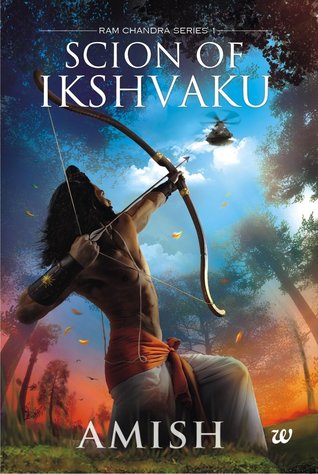
Scion of Ikshwaku: Amish

A handful of confusions that arouse while reading the Shiva series of Amish seem to have found solace and hints of answers in this one. If you have followed his earlier series, you might well have wondered how the Somras became available to everyone during Ram’s rule or why Ram ruled in Meluha once he returned from his exile. You might have also wondered about how Ram’s personality and innate traits would have been, whose karma made him one of the Vishnus. For readers expecting a new style of writing or a whole fresh series, you might as well be disappointed. It feels like you are reading a scion from the earlier series which is just termed differently. Needless to say that it is an awesome entertainer, this time Amish has kept a better proximity with the actual story of Ramayana.

Thoughtful sentences from the book are inspiring and the dialogues compel us to mull over the sentences and read on a “slow-go” mode. The sibling talks, the education and the discussions that happen in the Gurukul of Vashishta have a lot for the readers to learn. Ram is the righteous royal who considers the nobility also among common men and has a vision of imposing the law on all, just as equally. Laxman is that loyal guard-brother of Ram who constantly doubts a conspiracy going on behind his brother’s back. He blindly abides by what his elder brother say, though he protests at first. Sita is the tactical and powerful leader here who is portrayed as the Prime Minister of Mithila, who can also fight strategically and can hunt clean. One can find this character very similar to Sati of Shiva Trilogy. Within Bharat is a rebel who refuses to accept the laws as they are, if the logic and law doesn’t coincide. Shatrughan is the scholar who is the mightiest with books than on battle field. Urmila is that innocent girl who packs almost a tonne of luggage when they set for exile and is left behind since she is that delicate girl who couldn’t stand the forest even for a day.

Roshini is a doctor who serves the poor. She gets brutally raped and hurt by immoral gangsters. Roshini’s episode resembling Nirbhaya’s episode of Delhi seems so apparent in the novel. Dhenuka is a juvenile who is the chief assailant in the story. That leaves us with an enraged thought of what could be done with the juvenile who escaped the death sentence because of law.


It’s not just this part of the story; there are a lot of situations and conversations which can be linked to present day’s happenings and today’s society. This a truly thoughtful novel which has told what it wants to. How we intercept it, is left to the reader though.

Thursday, March 12, 2015

Shiva Trilogy - Amish

The word of mouth spread and compelled me to buy these three books together. I wanted to know what do this trilogy carry, that it has drove so many readers towards and what made Amish to have been called the Paulo Coelho of Asia. Hence with immense curiosity I turned each page.

I was carried away by the story telling, I must admit. But there are few repetitive sentences for similar situations which pop up every 40-50 pages once, all along the three books. (Like a sentence that reads " This would be the guilt that he shall carry for the rest of his life". This dialogue gets repeated at least 5 times. And so is the phrase 'Started at'). Though the story line is strong with handful of unpredictable turns, the lines used for description becomes too predictable at times. There are narrative flaws recognizable almost half way through his first book, "Immortals of Meluha". Then on, either I got adjusted with his style or Amish has improved within his book.

I got engrossed so much that Shiva's picture in a calender at home began to show only his masculinity and warrior-like fierceness; The picture of Sati/Parwati began emanating a brave warrior's image; Karthik became my favourite strategist; Ganesh started appearing more calmer and secluded..Well! well! well! Enough for imaginations right? This book depicts Kaali (Hindu Goddess with Jet dark complexion and four hands) and Ganesha (Hindu God with an elephant head) as people with cancerous protrusions resultant of a side effect of the evil of Indus Valley civilization. It says all the war weapons named "Daivi Astras" were similar to nuclear weapons that we see now.


Yes. Imaginations are good. There have been attempts by authors of various times at mortalizing the immortals (Gods). We have accepted them and encouraged them as well. This trilogy drags us deep into its story to a point where we get confused with facts, myths, mythology and beliefs.

As  Jayraj Dave tells us on Quora-

YES, Amish Tripathi's Shiva trilogy has definitely connection to our scriptures (like  Shiva being 'Neelkanth', Shiva's third eye, Shaktipeetha's of Sati, Name and behavior of many Characters, part of Sequences in story,etc. ) and some of the parts are also purely fictional (story of 'Somras', conflicts among different empires, War at the end).

-So it's neither totally based on scriptures nor totally fictional.


This book has to be read with a staunch foot-note that One needs to know about what Indian mythology says, before you put your hands on this trilogy, since you need to remember that this book is a blend of fiction and mythology, to a point of fiction again.

With that, It is worth imagining things as you sail along the book since it keeps you engaged of the messages it carries within. A sentence is worth quoting from the book, which actually explains the stand on Amish- Trilogy as well.-

- "There is my truth and there is your truth. As for the universal truth, it does not exist"

Friday, January 16, 2015

The Mahabharatha Secret : Christopher C Doyle

The long erased scientific knowledge from the epic of Mahabharata stands out as an adrenaline rushing thriller. There is this artfully woven story of secret brotherhood that existed since 2300years, since the time of the Emperor- Asoka the great who dates to have ruled between 304-232 BC.

Mahabharata, more than a mythology, is a mystery unsolved. This is since there are lot of verses which could be deciphered in more than one way. Mahabharata was first documented after 500 BC, after generations of passing on its verses verbally. And through passing time, no one can deny the possibility about the old verses omitted and the new verses added when Mahabharata is re-chanted and rewritten innumerable times through various authors whose intellect would be unique from others. Yet Mahabharata connects Asian history to a point where you have found artifacts which have served as evidences to elevate Mahabharata from mere Mythology to a documented history.

This novel connects those loose ends that what if all the cutting edge technology that they have mentioned in the historic epic is true?How can we conclude that if we do not know a technology that's there in the epic, they were no intellect than us now? What if there still lies an untold secret deep within the layers of earth that is valid till date? What if that secret is of immense knowledge and can decide the dwelling, construction or destruction on earth?

Vikram Singh, nephew of the head of a secret brotherhood goes en route Asoka's edicts to unveil the mystery behind the clues that his uncle left for him just before his death. If there is hidden knowledge, its always hidden only to keep its misusers at bay. A terrorist organization also tries to findout the age old mythical weapon to rule over mankind. And the stupefying quench for a historical possession begins.

Hardly difficult to keep off from reading once resumed, this book provides you with the knowledge about Indian History as well. So, pick it up, read it, and then try and separate facts from woven story around facts!!

Ah! What a novel!A knowledge giving thriller though!

Wednesday, August 6, 2014

ಯಾನ - ಚಿಂತನೆಗಳ ಅನುರಣನೆ

ಭೂಮ್ಯಾಕಾಶಗಳ ವಿಸ್ತಾರವನ್ನು ಭಾವದ ನಿಲುಕಿಗೆ ತಂದು ವೈಜ್ಞಾನಿಕ ವಿವರಣೆ ಕೊಡುತ್ತಲೇ, ಪಾತ್ರಗಳ ಮನಮಂಥನವನ್ನು ಸಮರ್ಥವಾಗಿ ತೆರೆದಿಡುವ ಭಾಷೆ ಈ ಕಾದಂಬರಿಯದು. ಯಾವುದೇ ವಿಷಯವೆತ್ತಿಕೊಂಡರೂ ಪೂರಕ ಅಧ್ಯಯನ ಮಾಡಿ ಬರೆಯುವ ಭೈರಪ್ಪನವರು ಐಐಎಸ್ ಸಿ - ಭಾರತೀಯ ವಿಜ್ಞಾನ ಕೇಂದ್ರದಲ್ಲಿ ಅತಿಥಿ ಉಪನ್ಯಾಸಕರಾಗಿದ್ದಾಗಿನ ಸಂದರ್ಭವನ್ನು ಬಳಸಿಕೊಂಡು ಗಗನಯಾತ್ರೆ, ಅಂತರಿಕ್ಷಯಾನದ ಬಗೆಗೆಲ್ಲ ಮಾಹಿತಿ ಕಲೆಹಾಕಿದ್ದಾರೆ. ಅವರೇ ಹೇಳುವಂತೆ, ವಾಯುನೆಲೆ ಅಧಿಕಾರಿಗಳ ಒಡನಾಟದಿಂದ ವಾಯುಸೇನೆ ಮತ್ತದರ ಕಾರ್ಯವೈಖರಿಯ ಬಗ್ಗೆ ವಿಸ್ತಾರ ಮಾಹಿತಿ ಪಡೆದಿದ್ದಾರೆ. ವೈಜ್ಞಾನಿಕ ವಿವರಣೆಯನ್ನೆಲ್ಲ ಅಜೀರ್ಣವಾಗುವಂತೆ ಬರೆಯದೆ ಬೇಕಾದಲ್ಲಿ ಹೂರಣವಾಗಿ ಬಳಸಿದ್ದಾರೆ. ತಮ್ಮ  ನೆಚ್ಚಿನ ತತ್ವಶಾಸ್ತ್ರವನ್ನು ಸಂಬಂಧಗಳ ಮನಮಂಥನ, ಅವುಗಳ ಸ್ವರೂಪ, ವ್ಯಾಪ್ತಿ, ಸುಪ್ತ ಮನದ ಅಭಿವ್ಯಕ್ತಿಗಳಲ್ಲಿ ಕಥೆಯೊಳಗೆ ಬೆರೆತು ಹೋಗುವಂತೆ ಮೂಡಿಸಿದ್ದಾರೆ.

ಪ್ರಾಕ್ಸಿಮಾ ಸೆಂಟಾರಿಸ್ ನಕ್ಷತ್ರದೆಡೆಗೆ ಕಳುಹಿಸುವ ಅಂತರಿಕ್ಷಯಾನವೇ ಕಥಾವಸ್ತು.

ಸಂಬಂಧದ ಅಂಟು-ನಂಟು ಎಲ್ಲಿಯವರೆಗೆ? ಯಾವ ಎಳೆತ ಮನಃಬಂಧಕ್ಕೆ ಕಾರಣ? ಅದರ ಮಿತಿ ಏನು? ಏಕರೂಪಿಯಾಗಿ ಎಷ್ಟು ಸಮಯ ಅದು ನಮ್ಮನ್ನು ಬಾಧಿಸಬಲ್ಲದು? ನಾವು ಒಳಪಡುವ ನೈತಿಕತೆಗೆ ಸೌರಮಂಡಲದ ಚೌಕಟ್ಟಿದೆಯಾ? ಅದರಾಚೆಗಿನ ಬಾಧ್ಯತೆಗಳೇನು? ಸೂರ್ಯನೇ ನಮ್ಮ ಆಲೋಚನೆಗಳ ಆಕರರೂಪಿಯೇ? ನಭೋಮಂಡಲದಾಚೆ ಸಾಗುವಾಗ ಮನದ ಸುಪ್ತ ದುಗುಡಗಳಾವು? ಆಧ್ಯಾತ್ಮದಿಂದಲೋ ಕೆಲಸದಿಂದಲೋ ಈ ಎಲ್ಲ ತುಮುಲಗಳನ್ನು ದೂರವಿರಿಸಲು ಸಾಧ್ಯವೇ?- ಈ ಎಲ್ಲ ಆಯಾಮಗಳನ್ನು ತಡಕುತ್ತ ಸಾಗುತ್ತದೆ ಯಾನ..

ಒಂಟಿತನದ ಸವಾಲುಗಳು, ಪಾತ್ರಗಳು ಅದನ್ನು ಬಗೆಹರಿಸಿಕೊಳ್ಳಲು ಹುಡುಕುವ ದಾರಿಗಳು, ಮತ್ತೂ ಅಂತರ್ಮುಖಿಗಳನ್ನಾಗಿ ಮಾಡುತ್ತ, ಹೊಸತನ್ನು ಕಲಿಯುತ್ತ, ತಮ್ಮನ್ನು ತಾವೇ ಕಂಡುಕೊಳ್ಳುವ ಪ್ರಯತ್ನವನ್ನು ಇನ್ನೂ ತೀವ್ರವಾಗಿಸುತ್ತದೆ ಯಾನ.

ಭೈರಪ್ಪನವರ ಚಾರ್ ಧಾಮ್ ಯಾತ್ರೆಯ ಅನುಭವವೂ ಇಲ್ಲಿ ಪಾತ್ರವೊಂದರ ಸನ್ನಿವೇಶವಾಗಿ ಮೂಡಿಬಂದಿದೆ. ಅವರ ಆತ್ಮಕಥೆ 'ಭಿತ್ತಿ' ಓದಿದ್ದರೂ ಕಾದಂಬರಿಯಾದ್ದರಿಂದಲೋ ಏನೋ ಯಾನದಲ್ಲಿಯ ಹಿಮಾಯಲಯದ ವರ್ಣನೆಯೇ ಮನಮುಟ್ಟಿತು.

ಯಾನದ ವಸ್ತುವಿನ ಬಗ್ಗೆ ಓದಿ ಇದು ವೈಜ್ಞಾನಿಕ ಕಾದಂಬರಿಯೆಂದುಕೊಂಡೆ. ಆದರೆ ಬರಿಯ ರಂಜನೆಯಾಗಿ ಉಳಿಯದೆ, ಬರಿಯ ವಿಜ್ಞಾನವೂ ತುಂಬಿರದೆ ಮನೋವಿಜ್ಞಾನ, ತತ್ವ, ಆಧ್ಯಾತ್ಮದ  ಹೊಳಹುಗಳಲ್ಲಿ ಹರಿದು ಬೇರೆಯದೇ ಸ್ತರದಲ್ಲಿ ನಿಲ್ಲುತ್ತದೆ ಯಾನ.

ನನ್ನ ಯಾನ ೨ನೇ ಮುದ್ರಣದ್ದು. ನಿಮ್ಮದು?..

Saturday, November 23, 2013

Robin Cook – Mindbend

There are only two available categories of what novels I read – “The ones I liked reading, and the ones I loved reading”. Most of “the Cook Books” I read have made me fall in love with them all. So far I have read about 12 of his works which have always amazed me at the grueling medical possibilities lest the horror that they have to offer the reader to keep them from eating and sleeping without thinking about the subject and pondering over for the side effects of technology and business on medicine.

One such novel is “Mindbend” (1985).

People presume that pharmaceutical companies are the ones which provide real solution to human illness. Doctor prescribes what he has learnt is the best among the available brands. More than the chemical composition of a medicine, marketing is taking a toll over the general opinion that a Doctor arrives to, by judging through summaries of some real research in journals.

The novel shows how doctors are pitched for making a positive opinion about the medicines released afresh by the pharmaceutical companies, how much important are the executives in convincing medical practitioners to prescribe their company’s medicines.

Horror reveals page by page when renowned doctors go on conference cruise organized by a pharma company, Arolen, and when they come back in business, a good ten percent doctors either join the Julian Clinic run by the same mother company MTIC or they start acting as if they are its drug marketing agents. Adam, a Doctor to be, joins Arolen because of his financial fix when his wife Jennifer has an unplanned pregnancy. Jennifer thinks her developing child is safe in trusted hands of her Gyn, Dr.Vandermer. Jennifer is agonized when the doctor suggests aborting the baby owing to its genetic abnormality. Being sales personnel of Arolen, Adam grows suspicious about the cruise when Dr.Vandermer so strongly prescribes a medicine of Arolen he hardly had belief in, after he returns from Arolen conference, announces that he would join Julian clinic and his behavior seems so parallel with rest of the staff at Julian clinic.

Adam finds out in his nerve racing trip in Arolen cruise impersonating a doctor and later in his stay at their research station, that they modify the minds of the medical troupe on cruise though psychotropic drugs and psychosurgery. Though the story seems farfetched to be true, it explores the possibility of business taking over the noble profession of treating people of their illness.


Needless to say, the story makes the reader race from start to end at one go!

Wednesday, June 26, 2013

ಕಲ್ದವಸಿ – ಡಾ. ಕೆ. ಏನ್. ಗಣೇಶಯ್ಯ

ಗಣೇಶಯ್ಯನವರ ಇತರೆ ಪುಸ್ತಕಗಳಾದ ‘ಶಾಲಭಂಜಿಕೆ’, ‘ಪದ್ಮಪಾಣಿ’, ‘ಕಪಿಲಿಪಿಸಾರ’, ‘ಚಿತಾದಂತ’ ಪುಸ್ತಕಗಳಂತೆ ಕಲ್ದವಸಿಯನ್ನೂ ಓದಿ ಮುಗಿಸುವ ವರೆಗೆ ಕೆಳಗಿಡಲಾಗಲಿಲ್ಲ. ಅವರ ಬರವಣಿಗೆಯ ವಸ್ತುವೇ ಅಂಥವು.

ರಾಜರು ಸಾಮಾನ್ಯವಾಗಿ ತಂದೆಯ ಹೆಸರಿನಿಂದ ಗುರುತಿಸಲ್ಪಟ್ಟರೆ ಶಾತವಾಹನರನ್ನು ಸೋಲಿಸಿ ಅಮರಾವತಿಯನ್ನಾಳಿದ ಹಿಂದೂ ಧರ್ಮೀಯರೂ ರಘುವಂಶೀಯರೂ ಆದ ಇಕ್ಷ್ವಾಕು ವಂಶಸ್ಥರು ಕೂಡ ಬೌದ್ಧ ರಾಜರಂತೆ (ಗೌತಮಿ ಪುತ್ರ ಯಜ್ಞ ಶತಕರ್ಣಿ, ಗೌತಮಿ ಪುತ್ರ ವಿಜಯ ಶತಕರ್ಣಿ..) ತಾಯಿಯ ಹೆಸರಿನಿಂದ ಗುರುತಿಸಲ್ಪಡುತ್ತಾರೆ. ಎರಡನೇ ಬುದ್ಧನೆಂದು ಪ್ರಖ್ಯಾತರಾದ ನಾಗಾರ್ಜುನ ಆಚಾರ್ಯರ ಜೀವನದ ಬಗ್ಗೆ ಸ್ಥೂಲವಾಗಿ ಬೆಳಕು ಚೆಲ್ಲಲಾಗಿದೆ. ಮೊದಲ ಕಥೆ ಅಮರಾವತಿಯನ್ನು ಆಳಿದ ಶಾತವಾಹನರು ಹಿಂದೂ ಧರ್ಮೀಯರಾಗಿದ್ದೂ ಜೈನ ಸ್ತೂಪಗಳ, ವಿಶ್ವವಿದ್ಯಾಲಯ ಸ್ಥಾಪನೆ ಹಾಗು ಜೈನ ಧರ್ಮಕ್ಕೆ ಪ್ರೋತ್ಸಾಹ, ಅದರ ಪ್ರಚಾರಕ್ಕೆ ಕಾರಣವಾಗಿದ್ದು ಏಕೆಂದು ಹೇಳುತ್ತಾ ಇತಿಹಾಸವನ್ನು ಕಥೆಯಾಗಿ ಬಿಚ್ಚಿಡುತ್ತದೆ. ಇತಿಹಾಸವನ್ನು ಕಂಠಪಾಠ ಮಾಡಿ ಕಾಟಾಚಾರಕ್ಕೆ ಪಾಸಾದ ನಮಗೆ ಹೀಗೆ ಇತಿಹಾಸವನ್ನು ಕಥೆಯಾಗಿ ತೋರಿಸಿ ಕುತೂಹಲ ಕೆರಳಿಸಿದ್ದರೆ ಇನ್ನಷ್ಟು ಉತ್ಸುಕತೆಯಿಂದ ಓದುತ್ತಿದ್ದೆವೇನೋ ಎನ್ನಿಸದೆ ಇರಲಿಲ್ಲ.

ನಂತರದ ಕಥೆ ಹಿಂದುತ್ವದ ರಕ್ಷಣೆಯ ವಿಚಾರ ಹಾಗು ಉಗ್ರಗಾಮಿ ಸಂಘಟನೆಗಳ ವಿತ್ತ ವ್ಯವಹಾರಗಳ ಬಗ್ಗೆ ಒತ್ತು ಕೊಟ್ಟಿದೆ. ವೋಟ್ ಬ್ಯಾಂಕ್ ರಾಜಕಾರಣ ಮಾಡುವ ಸ್ವಾರ್ಥಿ ರಾಜಕಾರಣಿಗಳ ಬೆಂಬಲಕ್ಕೆಂದೇ ಬದುಕೇನೊ ಅನ್ನುವಂತೆ ಅನ್ಯ ಕೋಮಿನವರ ಬಗೆಗೊಂದು ಮೃದು ಧೋರಣೆ ಬೆಳೆಸಿಕೊಂಡು ಇತಿಹಾಸದ ಸತ್ಯಗಳೆಡೆ ಜಾಣಕುರುಡರಾಗುವ ಬುದ್ಧಿಜೀವಿಗಳಿಗೆ ಅಂಕಿ-ಅಂಶ ಸಹಿತ ವೈಚಾರಿಕತೆಯ ವಿಮರ್ಶೆ ಇದೆ.

ನನ್ನ ತಂದೆ ಈ ಪುಸ್ತಕವನ್ನ ತಂದ ಕೂಡಲೇ ಹೆಸರಿನ ಅರ್ಥವೇ ಆಗಲಿಲ್ಲ. ಇದೊಂದು ೩ ಕಥೆಗಳ ಸಂಕಲನ. ಕಲ್ದವಸಿ ಅನ್ನೋ ಕಥೆ ಅವುಗಳಲ್ಲಿ ಕಡೆಯದು. ಶ್ರೀ ರಾಮಾಯಣ ದರ್ಶನಂ ರಚಿಸುವಾಗ ಕುವೆಂಪುವಿಗೆ ಪ್ರೇರಣೆಯಾದ ಹಲವು ಸಂದರ್ಭಗಳಲ್ಲಿ ಒಂದರ ಬಗ್ಗೆ ಹೇಳುತ್ತಾ ಲೇಖಕರು ನಮ್ಮನ್ನು ರಾಮಾಯಣದ ವೈಭವೀಕರಣದ ಪ್ರಸ್ತುತತೆಯ ಬಗ್ಗೆ ಚಿಂತನೆಗೆ ದೂಡಿಬಿಡುತ್ತಾರೆ. ತನ್ನ ಗಂಡನೊಂದಿಗೆ ವನವಾಸಕ್ಕೆ ಹೋಗದೆ ಭಾವನೆಗಳನ್ನು ಹತ್ತಿಕ್ಕಿ ಕಾದ ಊರ್ಮಿಳೆ ಕಲ್ಲಿನಂತಹಾ ತಪಸ್ವಿನಿಯಾಗಿ, ಸೀತಾರಾಮರ ಹೃದಯದಲ್ಲಿ ಲಕ್ಷ್ಮಣನ ಸ್ಥಿತಿಗೆ ನೆನಪಾಗಿ ವನವಾಸದಲ್ಲಿನ ಪರ್ಣಶಾಲೆಯ ಬಳಿಯ ಕಲ್ಲುಬಂಡೆಯಾಗಿ ನಿಲ್ಲುತ್ತಾಳೆ. ಆಕೆಯೇ ಕಲ್ದವಸಿ. ಇಲ್ಲಿ ಮನಮಂಥನಕ್ಕೆ ಅವಕಾಶವಿದೆ. ಮತ್ತೆ ಮತ್ತೆ ಕೇಳಿ, ಓದಿ, ಹೇಳಿದ ರಾಮಾಯಣದ ತಿರುಳು ಮತ್ತೊಮ್ಮೆ ಒರೆಗಲ್ಲಿಗೆಳೆಯಲ್ಪಡುತ್ತದೆ. ಕಾಲಗರ್ಭದಲ್ಲಿ ಹೂತು ಹೋದ ವೈಚಾರಿಕತೆ ತಾನೇ ಮೈವೆತ್ತು ಬಂದಂತಿದೆ.

ವಿವಿಧ ವಿಚಾರಗಳ ಬಗ್ಗೆ ವಿಶದವಾಗಿ ತಿಳಿಸುತ್ತಾ ತೌಲನಿಕತೆಯನ್ನು ಬೆಳೆಸಿಕೊಳ್ಳುವಲ್ಲಿ ಈ ಪುಸ್ತಕ ಸಹಾಯಕವಾಗಿದೆ. ಪ್ರಾಧ್ಯಾಪಕರಾಗಿದ್ದುಕೊಂಡೂ ಸಂಶೋಧನಾತ್ಮಕ ಮನೋಭಾವವಿರುವ ಲೇಖಕರು ಮೆಚ್ಚುಗೆಯಾಗದೆ ಇರಲು ಕಷ್ಟಸಾಧ್ಯ. ನಮ್ಮ ಕೃಷಿ ವಿಶ್ವವಿದ್ಯಾಲಯದ ಬೋಧಕರಾದ ಗಣೇಶಯ್ಯನವರ ಪ್ರಯತ್ನ ಈ ನಿಟ್ಟಿನಲ್ಲಿ ಶ್ಲಾಘನೀಯ.